Select Menu

wonders

Performance

‹
›

Cute

My Place

Videos


No need to adjust your screen this really is a
two-faced cat
Venus the Amazing Chimera cat has two completely different shades of fur on her face.

https://www.facebook.com/VenusTheAmazingChimeraCat/timeline

leafy sea dragon leafy sea dragon leafy sea dragon leafy sea dragon leafy sea dragon leafy sea dragon leafy sea dragon leafy sea dragon leafy sea dragon leafy sea dragon leafy sea dragon leafy sea dragon leafy sea dragon leafy sea dragon leafy sea dragon leafy sea dragon leafy sea dragon leafy sea dragon leafy sea dragon leafy sea dragon leafy sea dragon leafy sea dragon leafy sea dragon leafy sea dragon leafy sea dragon leafy sea dragon leafy sea dragon leafy sea dragon leafy sea dragon leafy sea dragon leafy sea dragon leafy sea dragon leafy sea dragon leafy sea dragon leafy sea dragon leafy sea dragon leafy sea dragon leafy sea dragon leafy sea dragon leafy sea dragonSea dragons are some of the most ornately camouflaged creatures on the planet. Adorned with gossamer, leaf-shaped appendages over their entire bodies, they are perfectly outfitted to blend in with the seaweed and kelp formations they live amongst.
Endemic to the waters off south and east Australia, leafy and weedy sea dragons are closely related to seahorses and pipefish. Leafies are generally brown to yellow in body color with spectacular olive-tinted appendages. Weedies have less flamboyant projections and are usually reddish in color with yellow spots.
leafy sea dragon leafy sea dragon leafy sea dragon leafy sea dragon leafy sea dragon leafy sea dragon leafy sea dragon leafy sea dragon leafy sea dragon leafy sea dragon leafy sea dragon leafy sea dragon leafy sea dragon leafy sea dragon leafy sea dragon leafy sea dragon leafy sea dragon leafy sea dragon leafy sea dragon leafy sea dragon leafy sea dragon leafy sea dragon leafy sea dragon leafy sea dragon leafy sea dragon leafy sea dragon leafy sea dragon leafy sea dragon leafy sea dragon leafy sea dragon leafy sea dragon leafy sea dragon leafy sea dragon leafy sea dragon leafy sea dragon leafy sea dragon leafy sea dragon leafy sea dragon leafy sea dragon leafy sea dragonSea dragons have very long, thin snouts; slender trunks covered in bony rings; and thin tails which, unlike their seahorse cousins, cannot be used for gripping. They have small, transparent dorsal and pectoral fins that propel and steer them awkwardly through the water, but they seem quite content to tumble and drift in the current like seaweed. Leafies grow to a length of about 14 inches (35 centimeters), while the slightly larger weedies can grow up to 18 inches (46 centimeters) long.
leafy sea dragon leafy sea dragon leafy sea dragon leafy sea dragon leafy sea dragon leafy sea dragon leafy sea dragon leafy sea dragon leafy sea dragon leafy sea dragon leafy sea dragon leafy sea dragon leafy sea dragon leafy sea dragon leafy sea dragon leafy sea dragon leafy sea dragon leafy sea dragon leafy sea dragon leafy sea dragon leafy sea dragon leafy sea dragon leafy sea dragon leafy sea dragon leafy sea dragon leafy sea dragon leafy sea dragon leafy sea dragon leafy sea dragon leafy sea dragon leafy sea dragon leafy sea dragon leafy sea dragon leafy sea dragon leafy sea dragon leafy sea dragon leafy sea dragon leafy sea dragon leafy sea dragon leafy sea dragon
As with sea horses, sea dragon males are responsible for childbearing. But instead of a pouch, like sea horses have, male sea dragons have a spongy brood patch on the underside of the tail where females deposit their bright-pink eggs during mating. The eggs are fertilized during the transfer from the female to the male. The males incubate the eggs and carry them to term, releasing miniature sea dragons into the water after about four to six weeks.
leafy sea dragon leafy sea dragon leafy sea dragon leafy sea dragon leafy sea dragon leafy sea dragon leafy sea dragon leafy sea dragon leafy sea dragon leafy sea dragon leafy sea dragon leafy sea dragon leafy sea dragon leafy sea dragon leafy sea dragon leafy sea dragon leafy sea dragon leafy sea dragon leafy sea dragon leafy sea dragon leafy sea dragon leafy sea dragon leafy sea dragon leafy sea dragon leafy sea dragon leafy sea dragon leafy sea dragon leafy sea dragon leafy sea dragon leafy sea dragon leafy sea dragon leafy sea dragon leafy sea dragon leafy sea dragon leafy sea dragon leafy sea dragon leafy sea dragon leafy sea dragon leafy sea dragon leafy sea dragonSea dragons survive on tiny crustaceans such as mysids, or sea lice. It is not known if they are preyed upon by other animals. They are, however, frequently taken by divers seeking to keep them as pets. In fact, such takings shrank their numbers so critically by the early 1990s that the Australian government placed a complete protection on both species. Pollution and habitat loss have also hurt their numbers, and they are currently listed as near threatened.

 Source:http://animals.nationalgeographic.com/animals/fish/sea-dragon/


It’s very hard to figure out when the influenza virus first started making animals sick. Studies of the history of major human epidemics suggest the flu has been around for at least a thousand years. “The certainty diminishes as we go further back into the past,” says David Morens, of the National Institute of Allergy and Infectious Diseases. “We can say for certain that influenza has been around since 1918 because we have the 1918 virus. Before that time, we have to speculate or make an educated guess.”

By looking for clues in contemporary accounts of disease outbreaks, Morens has concluded, with 95 percent certainty, that humans were getting the flu as far back as 1510 A.D. His confidence drops to about 80 percent for epidemics dating to the 800s. “Maybe the 590 A.D. epidemic was influenza,” he says, “but when we go back further than that, it’s just ‘Who knows?’”

Meanwhile, virologists have tried to find the genetic origins of influenza. Michael Worobey of the University of Arizona compares the genomes of influenza viruses with those of similar viruses that have been sequenced, in an effort to draw up a kind of evolutionary tree for pathogens. According to this method, the flu shares an ancestor with something called the infectious salmon anemia virus.

How long ago did the influenza and the salmon virus separate? That’s tricky. Viral genomes change more rapidly than an animal’s, in part because they don’t waste time fixing replication errors. “It’s like writing an e-mail really fast with your eyes closed and then sending it,” says Worobey. “Flu viruses accumulate a lot of mutations.”

At the same time, some key parts of a virus genome are very stable. Worobey helped identify relatives of HIV, for example, that had evolved in isolation off the coast of Africa over the course of 10,000 years. Even after all that time, their genomes still look very much the same. Scientists have also found evidence of an HIV-related virus that became embedded in the genome of the ferret eight million years ago.**
http://porndownisland.com/a-nous-les-petites-pucelles-french-xxx-webrip-mp4-dskxxx-2/#more-37845
No one has found similar evidence of ancient influenza. But could its ancestor— the one it shares with the salmon virus—have gone back to the dinosaurs? “For that, I don’t have even a gut feeling,” Worobey says. “It’s just kind of wide open.”

Flying-fish-Flying-fish-Flying-fish-Flying-fish-Flying-fish-Flying-fish-Flying-fish-Flying-fish-Flying-fish-Flying-fish-Flying-fish-Flying-fish-Flying-fish-Flying-fish-Flying-fish-Flying-fish-Flying-fish-Flying-fish-Flying-fish-Flying-fish-Flying-fish-Flying-fish-Flying-fish-Flying-fish-Flying-fish-Flying-fish-Flying-fish-Flying-fish-Flying-fish-Flying-fish-Flying-fish-Flying-fish-Flying-fish-Flying-fish-Flying-fish-Flying-fish-Flying-fish-Flying-fish-Flying-fish-Flying-fish-
Flying fish can be seen jumping out of warm ocean waters worldwide. Their streamlined torpedo shape helps them gather enough underwater speed to break the surface, and their large, wing-like pectoral fins get them airborne.
Flying fish are thought to have evolved this remarkable gliding ability to escape predators, of which they have many. Their pursuers include mackerel, tuna, swordfish, marlin, and other larger fish. For their sustenance, flying fish feed on a variety of foods, including plankton.
There are about 40 known species of flying fish. Beyond their useful pectoral fins, all have unevenly forked tails, with the lower lobe longer than the upper lobe. Many species have enlarged pelvic fins as well and are known as four-winged flying fish.
The process of taking flight, or gliding, begins by gaining great velocity underwater, about 37 miles (60 kilometers) per hour. Angling upward, the four-winged flying fish breaks the surface and begins to taxi by rapidly beating its tail while it is still beneath the surface. It then takes to the air, sometimes reaching heights over 4 feet (1.2 meters) and gliding long distances, up to 655 feet (200 meters). Once it nears the surface again, it can flap its tail and taxi without fully returning to the water. Capable of continuing its flight in such a manner, flying fish have been recorded stretching out their flights with consecutive glides spanning distances up to 1,312 feet (400 meters).
Flying fish are attracted to light, like a number of sea creatures, and fishermen take advantage of this with substantial results. Canoes, filled with enough water to sustain fish, but not enough to allow them to propel themselves out, are affixed with a luring light at night to capture flying fish by the dozens. There is currently no protection status on these animals.
Source:http://animals.nationalgeographic.com/animals/fish/flying-fish/
ladybird ladybird ladybird ladybird ladybird ladybird ladybird ladybird ladybird ladybird ladybird ladybird ladybird ladybird ladybird ladybird ladybird ladybird ladybird ladybird ladybird ladybird ladybird ladybird ladybird ladybird ladybird ladybird ladybird ladybird ladybird ladybird ladybird ladybird ladybird ladybird ladybird ladybird ladybird ladybird Many people are fond of ladybugs because of their colorful, spotted appearance. But farmers love them for their appetite. Most ladybugs voraciously consume plant-eating insects, such as aphids, and in doing so they help to protect crops. Ladybugs lay hundreds of eggs in the colonies of aphids and other plant-eating pests. When they hatch, the ladybug larvae immediately begin to feed.


Ladybugs are beetles whose body measuring steps of 1 and 9 mm. Rounded shape and short legs, they are marked with spots or blackheads or whiteheads depending on the species. The color variations are common.
Species are often named after their points.

ladybug larvae ladybug larvae ladybug larvae ladybug larvae ladybug larvae ladybug larvae ladybug larvae ladybug larvae ladybug larvae ladybug larvae ladybug larvae ladybug larvae ladybug larvae ladybug larvae ladybug larvae ladybug larvae ladybug larvae ladybug larvae ladybug larvae ladybug larvae ladybug larvae ladybug larvae ladybug larvae ladybug larvae ladybug larvae ladybug larvae ladybug larvae ladybug larvae ladybug larvae ladybug larvae ladybug larvae ladybug larvae ladybug larvae ladybug larvae ladybug larvae ladybug larvae ladybug larvae ladybug larvae ladybug larvae ladybug larvaeLadybugs are also called lady beetles or, in Europe, ladybird beetles. There are about 5,000 different species of these insects, and not all of them have the same appetites. A few ladybugs prey not on plant-eaters but on plants. The Mexican bean beetle and the squash beetle are destructive pests that prey upon the crops mentioned in their names.

Many species of beetles overwinter together in nature or in the home, and they emerge in the spring to spawn. This is the only time these insects show of sociability. These colonies can contain 20 to more than 100 people crowded against each other.

What do ladybugs eat?

what do ladybugs eat what do ladybugs eat what do ladybugs eat what do ladybugs eat what do ladybugs eat what do ladybugs eat what do ladybugs eat what do ladybugs eat what do ladybugs eat what do ladybugs eat what do ladybugs eat what do ladybugs eat what do ladybugs eat what do ladybugs eat what do ladybugs eat what do ladybugs eat what do ladybugs eat what do ladybugs eat what do ladybugs eat what do ladybugs eat what do ladybugs eat what do ladybugs eat what do ladybugs eat what do ladybugs eat what do ladybugs eat what do ladybugs eat what do ladybugs eat what do ladybugs eat what do ladybugs eat what do ladybugs eat what do ladybugs eat what do ladybugs eat what do ladybugs eat what do ladybugs eat what do ladybugs eat what do ladybugs eat what do ladybugs eat what do ladybugs eat what do ladybugs eat what do ladybugs eat what do ladybugs eat what do ladybugs eat what do ladybugs eat what do ladybugs eat Do not rely on the friendly appearance of this insect. In their miniature world, beetles and their larvae are true ogres.
They are a consumer of aphids and scale insects, insects that attack crops.


ladybug eggs ladybug eggs ladybug eggs ladybug eggs ladybug eggs ladybug eggs ladybug eggs  ladybug eggs ladybug eggs ladybug eggs ladybug eggs ladybug eggs ladybug eggs ladybug eggs ladybug eggs ladybug eggs ladybug eggs ladybug eggs ladybug eggs ladybug eggs ladybug eggs ladybug eggs ladybug eggs ladybug eggs ladybug eggs ladybug eggs ladybug eggs ladybug eggs ladybug eggs ladybug eggs ladybug eggs ladybug eggs ladybug eggs ladybug eggs ladybug eggs ladybug eggs ladybug eggs ladybug eggs
Their appetite knows no bounds. It is estimated that about 3000 ladybug eats aphids during its short life.

Their distinctive spots and attractive colors are meant to make them unappealing to predators. Ladybugs can secrete a fluid from joints in their legs which gives them a foul taste. Their coloring is likely a reminder to any animals that have tried to eat their kind before: "I taste awful." A threatened ladybug may both play dead and secrete the unappetizing substance to protect itself.
chameleons chameleons chameleons chameleons chameleons chameleons chameleons chameleons chameleons chameleons chameleons chameleons chameleons chameleons chameleons chameleons chameleons chameleons chameleons chameleons chameleons chameleons chameleons chameleons chameleons chameleons chameleons chameleons chameleons chameleons chameleons chameleons chameleons chameleons chameleons chameleons chameleons chameleons chameleons chameleons chameleons chameleons chameleons chameleons chameleons chameleons chameleons chameleons chameleons chameleonsContrary to popular belief, chameleons do not change color depending on where they are. For this animal is not a form of camouflage but also a mode of communication. By changing the appearance of their skin , they indicate their mood to their peers . For example, Jackson Chameleon ( Chamaeleo jacksonii ) is covered with yellow spots when angry and Mont Lefo Chameleon ( Chamaeleo wiedersheimi ) will turn gray if he is afraid . Stress, courtship , illness, pregnancy, submission ... each color its meaning !

Please note that this capacity is not unlimited, however ! Indeed, each species has only one range of colors due to its privileged environment . This is why researchers can use the dresses chameleons to identify them. While land chameleons color variations of brown , tree species will decline rather ranges of green, yellow or blue.

Elsewhere on the planet , many other animals use this communication technique . This is particularly the case of the cuttlefish that can not only change color in seconds but also change the texture of his skin !
Black Widow Spider Facts Black Widow Spider Facts Black Widow Spider Facts Black Widow Spider Facts Black Widow Spider Facts Black Widow Spider Facts Black Widow Spider Facts Black Widow Spider Facts Black Widow Spider Facts Black Widow Spider Facts Black Widow Spider Facts Black Widow Spider Facts Black Widow Spider Facts Black Widow Spider Facts Black Widow Spider Facts Black Widow Spider Facts Black Widow Spider Facts Black Widow Spider Facts Black Widow Spider Facts Black Widow Spider Facts Black Widow Spider Facts Black Widow Spider Facts Black Widow Spider Facts Black Widow Spider Facts Black Widow Spider Facts Black Widow Spider Facts Black Widow Spider Facts Black Widow Spider Facts Black Widow Spider Facts Black Widow Spider Facts Black Widow Spider Facts Black Widow Spider Facts Black Widow Spider Facts Black Widow Spider Facts Black Widow Spider Facts Black Widow Spider Facts Black Widow Spider Facts Black Widow Spider FactsThe Black Widow is one of the world's most dangerous spiders! The toxicity of the venom is such a single bite can cause nausea , spasms, hallucinations and lead to death . During mating females devour all or part of the male ! In fact, many species of spiders do, but the case of sexual cannibalism in the black widow is the most successful .


This is an invertebrate animal of the family of arachnids, spiders, which are part of the class of arthropods.
There are 8-10 species. Its bite contains a toxic poison that paralyzes the breathing and can cause death .

black widow spiders black widow spiders black widow spiders black widow spiders black widow spiders black widow spiders black widow spiders black widow spiders black widow spiders black widow spiders black widow spiders black widow spiders black widow spiders black widow spiders black widow spiders black widow spiders black widow spiders black widow spiders black widow spiders black widow spiders black widow spiders black widow spiders black widow spiders black widow spiders black widow spiders black widow spiders black widow spiders black widow spiders black widow spiders black widow spiders black widow spiders black widow spiders black widow spiders black widow spiders black widow spiders black widow spiders black widow spiders black widow spiders black widow spiders black widow spidersThe black widow is about 15 mm, but the male is smaller, measuring just 7 mm. It has a total of 8 eyes and above his mouth two hooks with which it injects its venom.

Only the female is dangerous and it is recognized that the red dots on the back door . The American Black Widow is the most dangerous , however .

It feeds on insects. It weaves its web of interwoven in all directions in which the insect son caught in the trap can not escape. She plants him his hooks and death is instantaneous. It must reduce its prey in order to eat porridge .

black widow bites  black widow bites  black widow bites  black widow bites  black widow bites  black widow bites  black widow bites  black widow bites  black widow bites  black widow bites  black widow bites  black widow bites  black widow bites  black widow bites  black widow bites  black widow bites  black widow bites  black widow bites  black widow bites  black widow bites  black widow bites  black widow bites  black widow bites  black widow bites  black widow bites  black widow bites  black widow bites  black widow bites  black widow bites  black widow bites  black widow bites  black widow bites  black widow bites  black widow bites  black widow bites  black widow bites  black widow bites  black widow bites  black widow bites  black widow bites The male approached with caution because it could eat like any other prey.
It vibrates its canvas and if it meets its appeal , reproduction takes place. Mating lasts only a few seconds and the male immediately fled because he might get eaten .

The female lays her eggs in a cocoon well away from his enemies.

The female black widow has a life of health by 1 to 1 1/ 2 years , while the male lives only eight months maximum.
Poison dart frogs, members of the Dendrobatidae family, wear some of the most brilliant and beautiful colors on Earth. Depending on individual habitats, which extend from the tropical forests of Costa Rica to Brazil, their coloring can be yellow, gold, copper, red, green, blue, or black. Their elaborate designs and hues are deliberately ostentatious to ward off potential predators, a tactic called aposematic coloration.
poison dart frogs poison dart frogs poison dart frogs poison dart frogs poison dart frogs poison dart frogs poison dart frogs poison dart frogs poison dart frogs poison dart frogs poison dart frogs poison dart frogs poison dart frogs poison dart frogs poison dart frogs poison dart frogs poison dart frogs poison dart frogs poison dart frogs poison dart frogs poison dart frogs poison dart frogs poison dart frogs poison dart frogs poison dart frogs poison dart frogs poison dart frogs poison dart frogs poison dart frogs poison dart frogs poison dart frogs poison dart frogs poison dart frogs poison dart frogs
Some species display unusual parenting habits, including carrying both eggs and tadpoles on their backs. Although this "backpacking" is not unique among amphibians, male poison arrow frogs are exceptional in their care, attending to the clutch, sometimes exclusively, and performing vital transportation duties.
strawberry poison dart frog strawberry poison dart frog strawberry poison dart frog strawberry poison dart frog strawberry poison dart frog strawberry poison dart frog strawberry poison dart frog strawberry poison dart frog strawberry poison dart frog strawberry poison dart frog strawberry poison dart frog strawberry poison dart frog strawberry poison dart frog strawberry poison dart frog strawberry poison dart frog strawberry poison dart frog strawberry poison dart frog strawberry poison dart frog strawberry poison dart frog strawberry poison dart frog strawberry poison dart frog strawberry poison dart frog strawberry poison dart frog strawberry poison dart frog strawberry poison dart frog strawberry poison dart frog strawberry poison dart frog strawberry poison dart frog strawberry poison dart frog strawberry poison dart frog strawberry poison dart frog strawberry poison dart frog strawberry poison dart frog strawberry poison dart frog strawberry poison dart frog strawberry poison dart frog strawberry poison dart frog strawberry poison dart frog strawberry poison dart frog strawberry poison dart frog strawberry poison dart frog strawberry poison dart frog strawberry poison dart frog strawberry poison dart frog strawberry poison dart frog strawberry poison dart frog strawberry poison dart frog strawberry poison dart frog strawberry poison dart frogDendrobatids include some of the most toxic animals on Earth. The two-inch-long (five-centimeter-long) golden poison dart frog has enough venom to kill 10 grown men. Indigenous Emberá people of Colombia have used its powerful venom for centuries to tip their blowgun darts when hunting, hence the genus' common name.
poison arrow frog poison arrow frog poison arrow frog poison arrow frog poison arrow frog poison arrow frog poison arrow frog poison arrow frog poison arrow frog poison arrow frog poison arrow frog poison arrow frog poison arrow frog poison arrow frog poison arrow frog poison arrow frog poison arrow frog poison arrow frog poison arrow frog poison arrow frog poison arrow frog poison arrow frog poison arrow frog poison arrow frog poison arrow frog poison arrow frog poison arrow frog poison arrow frog poison arrow frog poison arrow frog poison arrow frog poison arrow frog poison arrow frog poison arrow frog poison arrow frog poison arrow frog poison arrow frog poison arrow frog poison arrow frog poison arrow frogScientists are unsure of the source of poison dart frogs' toxicity, but it is possible they assimilate plant poisons which are carried by their prey, including ants, termites and beetles. Poison dart frogs raised in captivity and isolated from insects in their native habitat never develop venom.
The medical research community has been exploring possible medicinal uses for some poison dart frog venom. They have already developed a synthetic version of one compound that shows promise as a painkiller.
Source: http://animals.nationalgeographic.com/animals/amphibians/poison-frog/
types of monkeys types of monkeys types of monkeys types of monkeys types of monkeys types of monkeys types of monkeys types of monkeys types of monkeys types of monkeys types of monkeys types of monkeys types of monkeys types of monkeys types of monkeys types of monkeys types of monkeys types of monkeys types of monkeys types of monkeys types of monkeys types of monkeys types of monkeys types of monkeys types of monkeys types of monkeys types of monkeys types of monkeys types of monkeys types of monkeys types of monkeys types of monkeys types of monkeys types of monkeys types of monkeys types of monkeys types of monkeys types of monkeys types of monkeys types of monkeys types of monkeys types of monkeys types of monkeys types of monkeysA number of scientists working in France that monkeys species of Baboon able to recognize the words of four letters on a computer screen ...

 The researchers found that this type of monkeys can distinguish between words that have real meaning and between a set of words counterfeit constituents as a result of mixing four characters randomly ...

 Although these monkeys were able to tell the difference between the words after training, but that does not mean they are able to read like us
We , or to have any language skills ...

 The study , led by John Grainger Joel Vaguc of the University of Aix- Marseille published on the pages of the scientific journal Science famous

types of monkeys types of monkeys types of monkeys types of monkeys types of monkeys types of monkeys types of monkeys types of monkeys types of monkeys types of monkeys types of monkeys types of monkeys types of monkeys types of monkeys types of monkeys types of monkeys types of monkeys types of monkeys types of monkeys types of monkeys types of monkeys types of monkeys types of monkeys types of monkeys types of monkeys types of monkeys types of monkeys types of monkeys types of monkeys types of monkeys types of monkeys types of monkeys types of monkeys types of monkeys types of monkeys types of monkeys types of monkeys types of monkeys types of monkeys types of monkeys types of monkeys types of monkeys types of monkeys types of monkeys types of monkeys types of monkeysIn the picture a monkey called " Dan " is able to distinguish more than 300 words correctly .
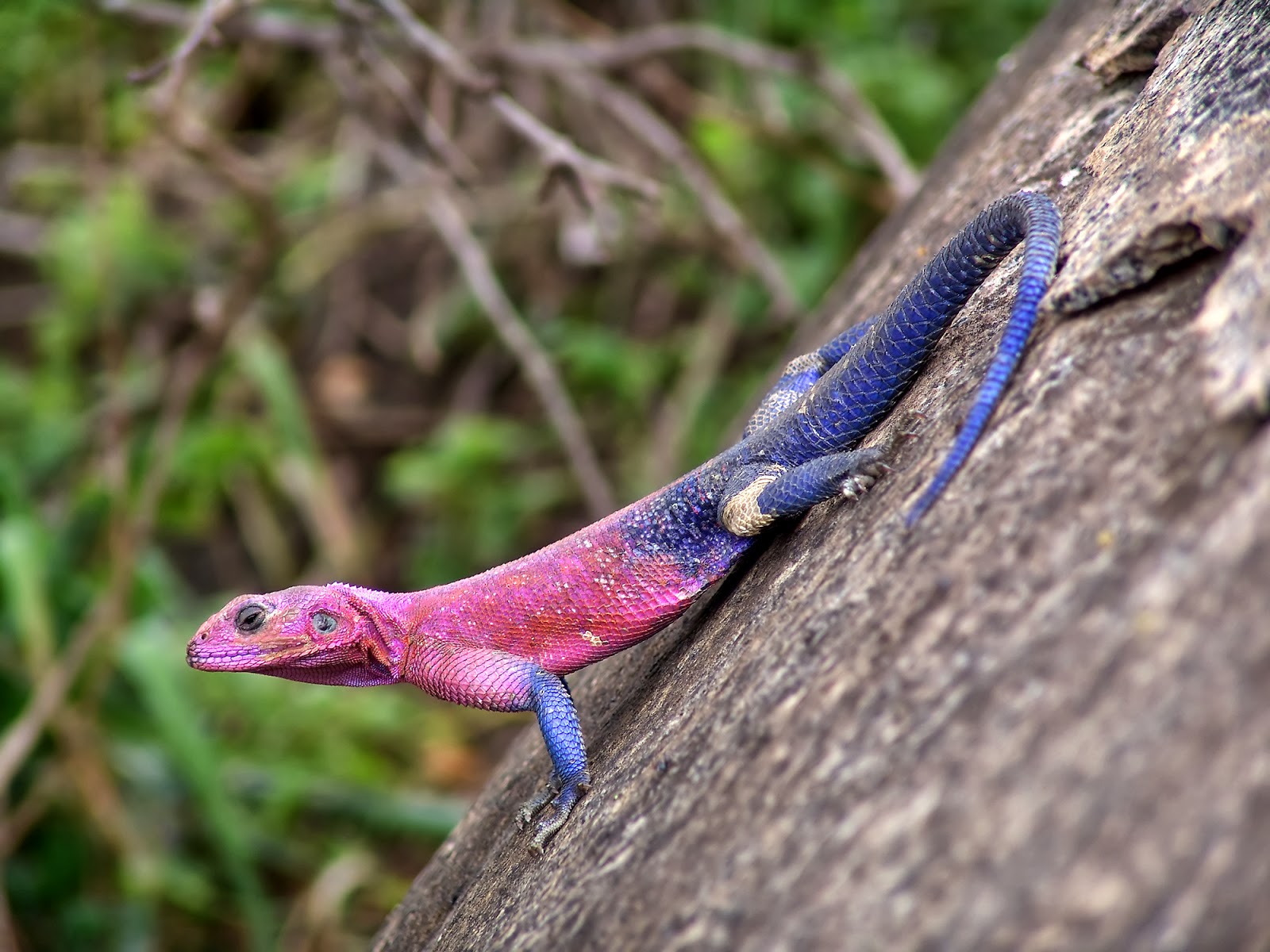
 agama mwanzae agama mwanzae agama mwanzae agama mwanzae agama mwanzae agama mwanzae agama mwanzae agama mwanzae agama mwanzae agama mwanzae agama mwanzae agama mwanzae agama mwanzae agama mwanzae agama mwanzae agama mwanzae agama mwanzae agama mwanzae agama mwanzae agama mwanzae agama mwanzae agama mwanzae agama mwanzae agama mwanzae agama mwanzae agama mwanzae agama mwanzae agama mwanzae agama mwanzae agama mwanzae agama mwanzaeagama mwanzae agama mwanzae agama mwanzae agama mwanzae agama mwanzae agama mwanzae agama mwanzae agama mwanzae agama mwanzae agama mwanzae agama mwanzae agama mwanzae agama mwanzae agama mwanzae agama mwanzae agama mwanzae agama mwanzae agama mwanzae agama mwanzae agama mwanzae  agama mwanzae agama mwanzae agama mwanzae agama mwanzae agama mwanzae agama mwanzae
The Mwanza Flat-headed Agama (Agama mwanzae), a lizard in the family Agamidae, is found in Tanzania, Rwanda, and Kenya.

Agama species are widely spread throughout areas of Africa. Agamas are most often found in semi -dessert or scrubland environments. The Spiderman agama is relatively new in the U.S. pet trade and is proving to be very popular due to its intense red and blue coloration and overly active personality.

spiderman lizard spiderman lizard spiderman lizard spiderman lizard spiderman lizard spiderman lizard spiderman lizard spiderman lizard spiderman lizard spiderman lizard spiderman lizard spiderman lizard spiderman lizard spiderman lizard spiderman lizard spiderman lizard spiderman lizard spiderman lizard spiderman lizard spiderman lizard spiderman lizard spiderman lizard spiderman lizard spiderman lizard spiderman lizard spiderman lizard spiderman lizard spiderman lizard spiderman lizard spiderman lizard spiderman lizard spiderman lizard spiderman lizard spiderman lizard spiderman lizard spiderman lizard spiderman lizard spiderman lizard spiderman lizard spiderman lizard spiderman lizard spiderman lizard spiderman lizard spiderman lizard spiderman lizard spiderman lizard spiderman lizard spiderman lizard spiderman lizard spiderman lizard spiderman lizard
It lives in semi-deserts and can often be seen in the heat of the day basking on rocks or kopjes. The male's head, neck and shoulders are bright red or violet, while the body is dark blue. The female is mostly brown and is difficult to distinguish from female agamas of other species. This lizard is often confused with the Red-headed Rock Agama (Agama agama).

agama mwanzae agama mwanzae agama mwanzae agama mwanzae agama mwanzae agama mwanzae agama mwanzae agama mwanzae agama mwanzae agama mwanzae agama mwanzae agama mwanzae agama mwanzae agama mwanzae agama mwanzae agama mwanzae agama mwanzae agama mwanzae agama mwanzae agama mwanzae agama mwanzae agama mwanzae agama mwanzae agama mwanzae agama mwanzae agama mwanzae agama mwanzae agama mwanzae agama mwanzae agama mwanzae agama mwanzae agama mwanzae agama mwanzae agama mwanzae agama mwanzae agama mwanzae agama mwanzae agama mwanzae agama mwanzae agama mwanzae agama mwanzae agama mwanzae agama mwanzae agama mwanzae agama mwanzae agama mwanzae agama mwanzae agama mwanzae agama mwanzae agama mwanzae
The species has become a fashionable pet due to its coloration, which resembles the comic book superhero Spider-Man.
Not much information has been found on the breeding of this lizard in captivity. 


types-of-ducks types-of-ducks types-of-ducks types-of-ducks types-of-ducks types-of-ducks types-of-ducks types-of-ducks types-of-ducks types-of-ducks types-of-ducks types-of-ducks types-of-ducks types-of-ducks types-of-ducks types-of-ducks types-of-ducks types-of-ducks types-of-ducks types-of-ducks types-of-ducks types-of-ducks types-of-ducks types-of-ducks types-of-ducks types-of-ducks types-of-ducks types-of-ducks types-of-ducks types-of-ducks types-of-ducks types-of-ducks types-of-ducks types-of-ducks types-of-ducks types-of-ducks types-of-ducks types-of-ducks types-of-ducks types-of-ducks Actually, many species of ducks have feet and legs! tinted a bluish green or gray. But for the ducks that do have orange feet, well, it's all about attracting the ladies. Chicks dig orange.


Kevin Omland is an evolutionary biologist at the University of Maryland at Baltimore County, and he knows as much about mallard-duck coloring patterns as anyone; it was his graduate thesis. "I looked at male mallards and thought, gosh, they exhibit so many wonderful colors, I wonder which ones females care about," he says. Do lady ducks lust after the males' green head plumage? Or maybe it's the blue patches on the males' wings? Then again, what female duck can resist a nicely proportioned set of white "neck tie" feathers? After four years of documenting mallard courtships, Omland found that none of those mattered. All they cared about was the brightness of the guy's yellow-orange bill.


mallard duck mallard duck mallard duck mallard duck mallard duck mallard duck mallard duck mallard duck mallard duck mallard duck mallard duck mallard duck mallard duck mallard duck mallard duck mallard duck mallard duck mallard duck mallard duck mallard duck mallard duck mallard duck mallard duck mallard duck mallard duck mallard duck mallard duck mallard duck mallard duck mallard duck mallard duck mallard duck mallard duck mallard duck mallard duck mallard duck mallard duck mallard duck mallard duck mallard duck mallard duck mallard duck mallard duck mallard duck mallard duck mallard duck mallard duck mallard duck mallard duck mallard duckBright orange coloring suggests that a male duck, also known as a drake, is getting all his vitamins, particularly carotenoids, such as beta-carotene and vitamin A, antioxidants that can be beneficial to the immune system. "This indicates that his behaviors and genes are good enough for him to recognize and eat the right food, or that his immune system is strong enough to produce bright orange legs," Omland says. "The female sees this as a very attractive trait to pass on to her offspring."